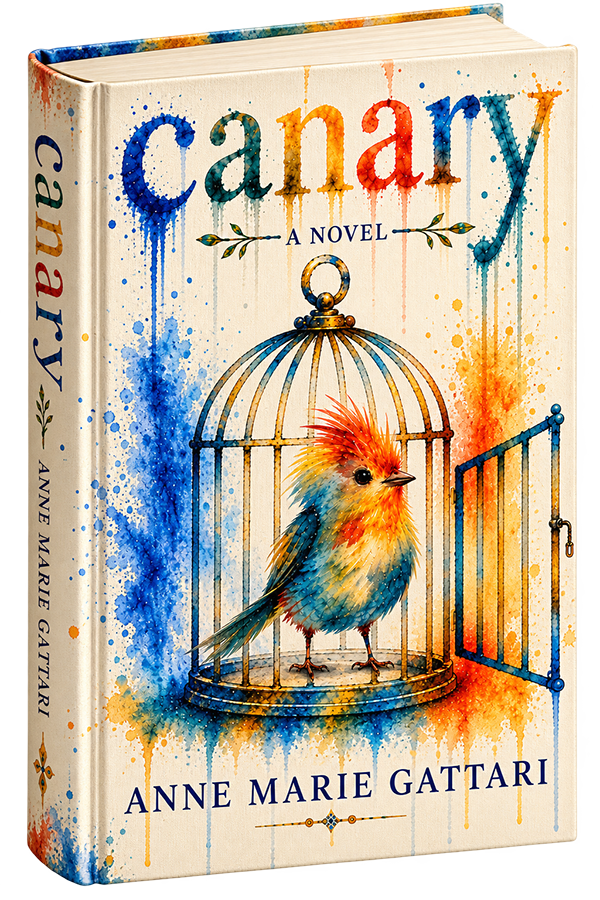
Cover Design by Janell Warrener
About Canary
In early twentieth century Detroit, Sofia, an independent-minded daughter of Sicilian immigrants, hopes for a life beyond her culture’s traditional expectations.
On her way home from school one afternoon, she is abducted and her future is decided. By the time she is fifteen, she is a wife and mother.
In the kitchen of the boarding house where she now lives, a canary sings from its cage. Spirited yet contained, the bird is a reflection of Sofia herself.
As the years pass, she grows keenly attuned to the burdens of the women around her. When they come to her for help, Sofia does not turn them away.
What she offers requires trust – and secrecy. But secrets have a way of surfacing. When Sofia’s hidden life collides with the deep religious devotion of her daughter, they are both forced to confront painful truths about faith, forgiveness and the people they love most.
Set against the rise of industrial Detroit and the influx of immigrants drawn by Henry Ford's promise of opportunity, Canary is a haunting portrait of a woman shaped by what was taken from her — and the life she builds in its place.
Canary will be published in winter 2026.
Fuitina
The Story Behind Canary
There’s an old Sicilian practice called fuitina, the kidnapping of a woman or girl by an unwanted suitor in which the victim is forced to marry the perpetrator to preserve the honor of the family. *
In some instances, when the bride and groom both wanted to marry and anticipated objections from one family or another, they staged the fuitina.
That was not the case with my grandmother. As the family story goes, my grandfather, a new Sicilian immigrant to Detroit in the early 1900s, asked for my grandmother’s hand properly. Her parents refused, saying she was too young and to come back in two years. Instead, he abducted her one afternoon as she was walking home from school. She was fourteen. They were married soon after, and my mother was born less than two years later.
When I was a freshman at Wayne State University in Detroit in 1974, I was assigned to interview my grandmother for a Women’s Studies class. I went with my notebook and list of questions.
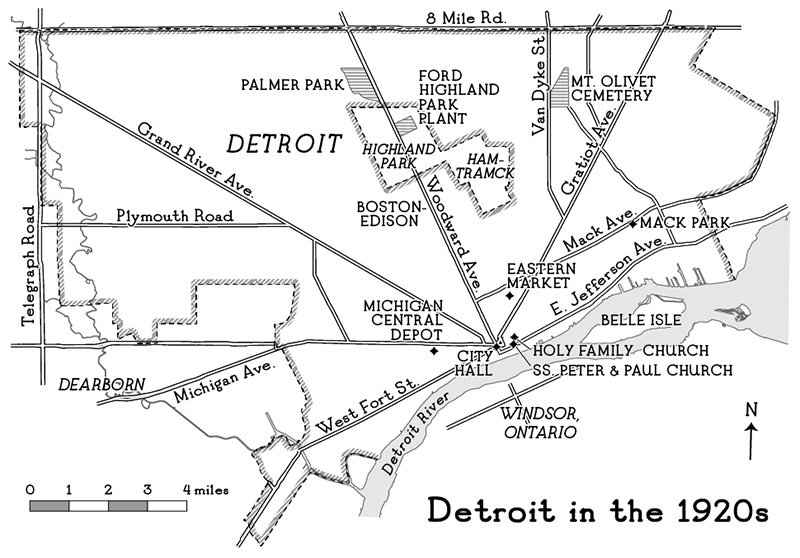
Map by Nat Case, INCase, LLC
Gramma would not talk about any of it, not the kidnapping, not the early days of her marriage, not being a teenage mother.
“Ga! You expect me to remember? It was a long time ago,” she said, dismissing the questions with a backhand to the air.
“Okay,” I said, disappointed. “Just tell me what was it like in the 1920s in your neighborhood.” I closed my notebook, expecting to hear everything I already knew.
“It was nothing special. We didn’t have a lot. We cooked and cleaned. Like we do now. Babies were born at home with the midwife. We didn’t go to the hospital. Sometimes the midwife would come to do the miscarriage.”
She was so matter-of-face, I almost missed it.
“Gram! You’re talking about …” I opened my notebook.
“It happened,” she said, cutting me off and taking my notebook. She flipped it closed and gave it back to me. “It happened.”
A year earlier, Roe v. Wade, the landmark U.S. Supreme Court decision, legalized abortions in the country, making a woman’s right to choose one of the most widely debated topics of the day.
That afternoon as I watched Gramma push away from the table and go to the stove, I had so many questions for her. But I didn’t ask.
“I made pasta with the lima beans,” she said, handing me a bowl. “I know you like it.”
* Legalized Rape and Beyond: The Fuitina Tradition in Sicily, by Antonella Vitale, 2017
Scenes from Historic Detroit - Early 1900s

Ford Highland Park Assembly Plant
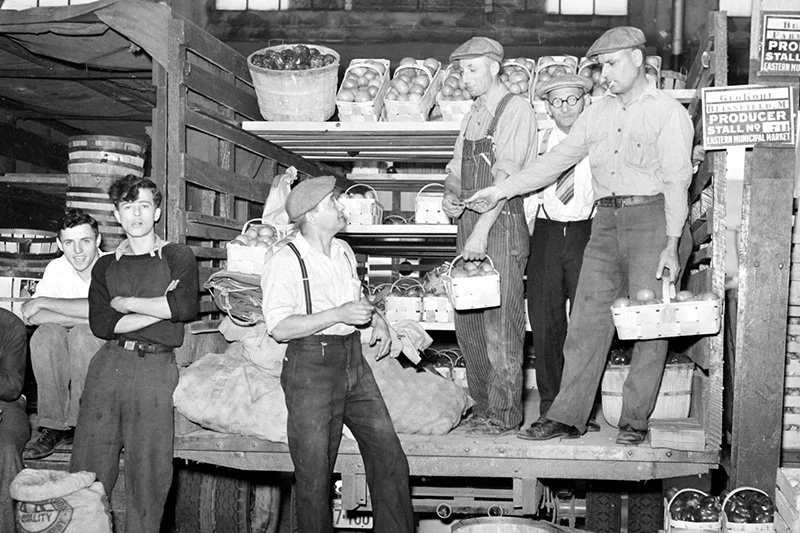
Eastern Market
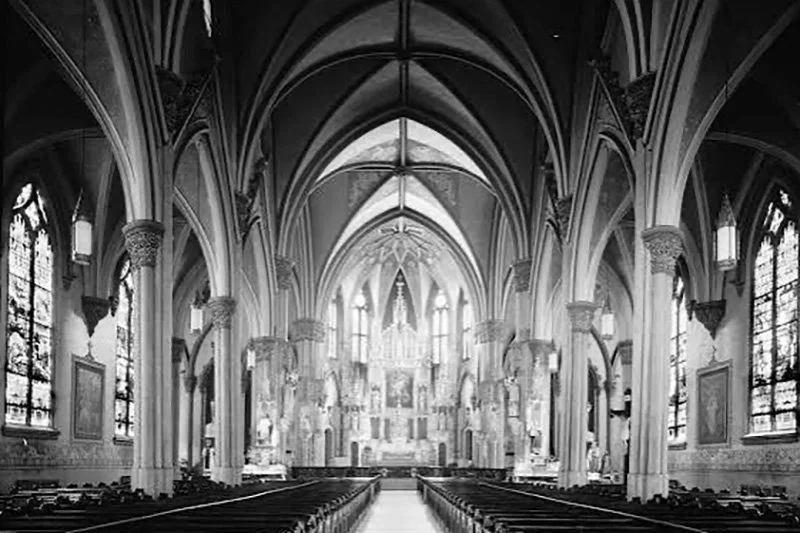
Holy Family Church Interior
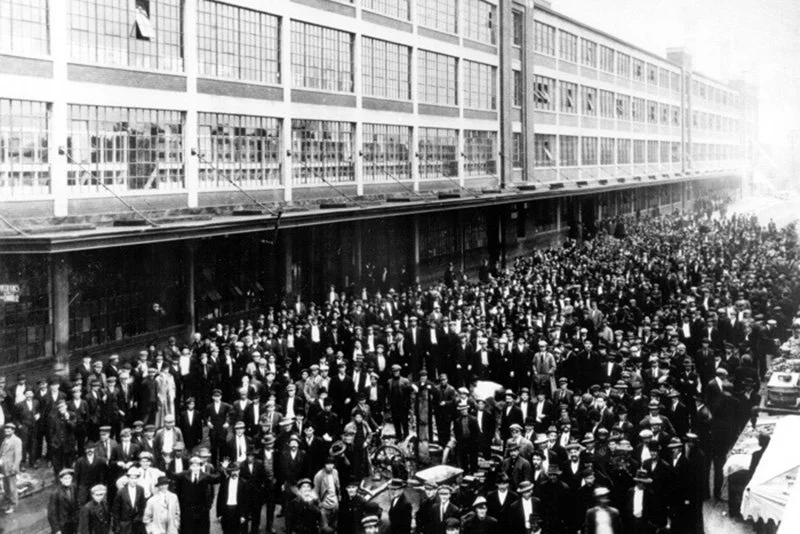
Ford Highland Park Plant Employee Shift Change
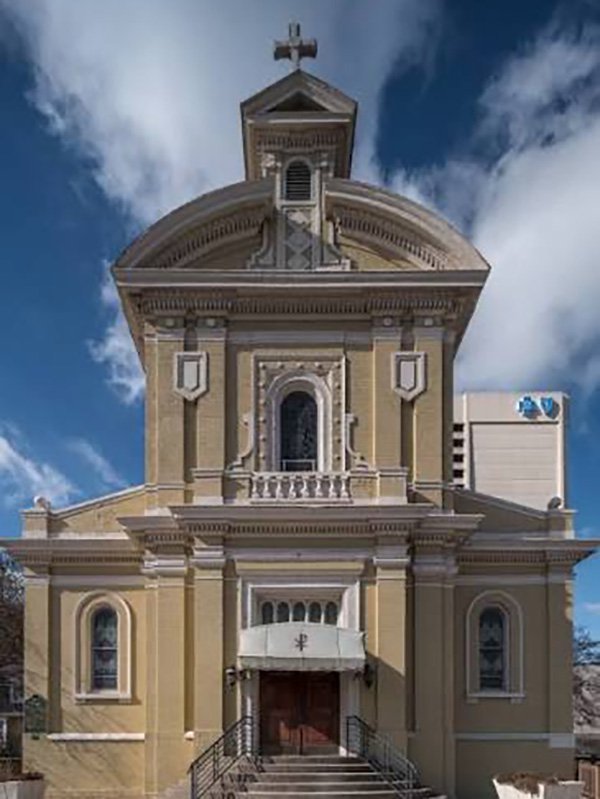
Holy Family Church
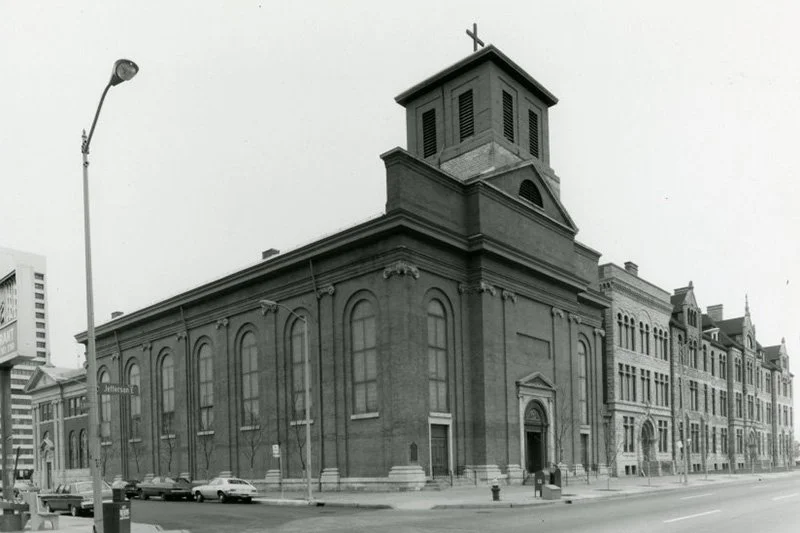
Saints Peter and Paul Catholic Church
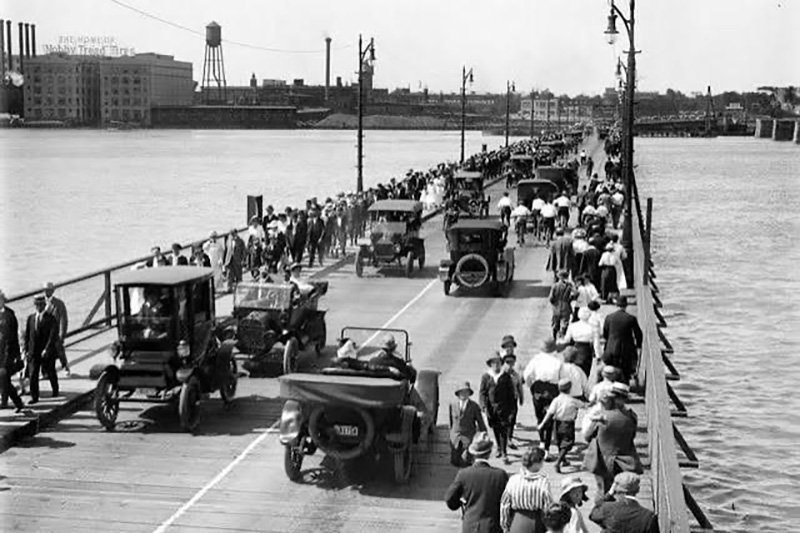
Belle Isle Bridge
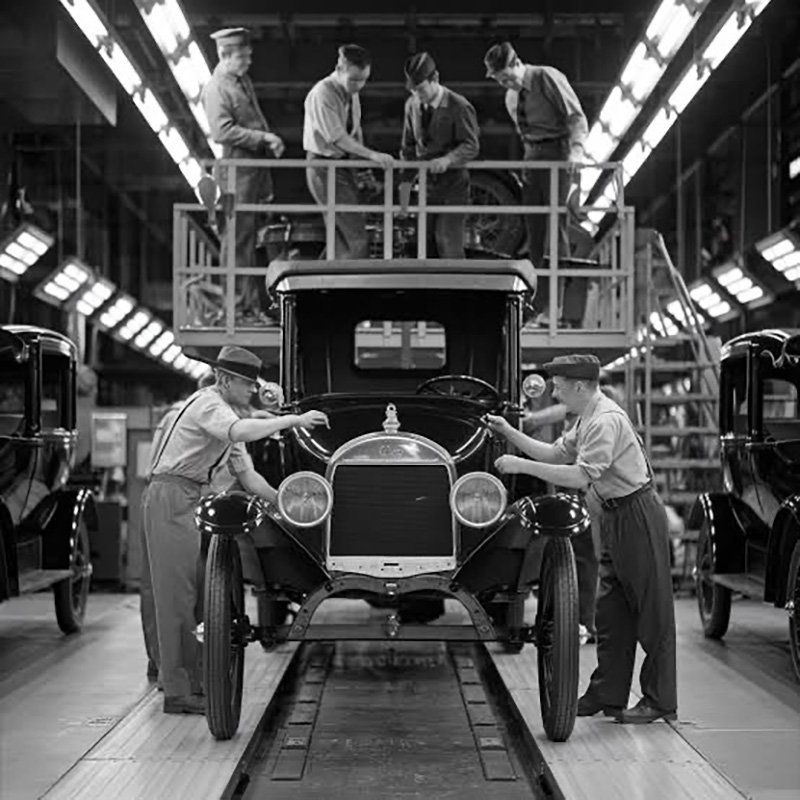
Ford Highland Park Assembly Plant
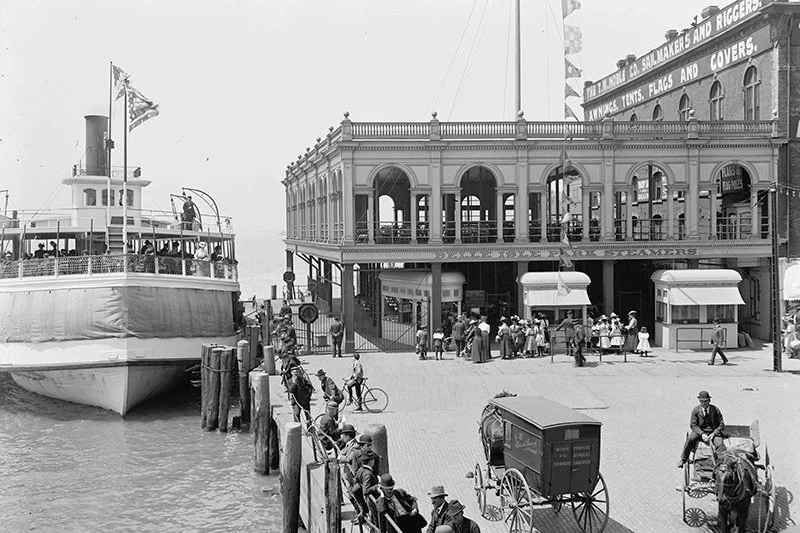
Steamer Approaching Belle Isle Dock
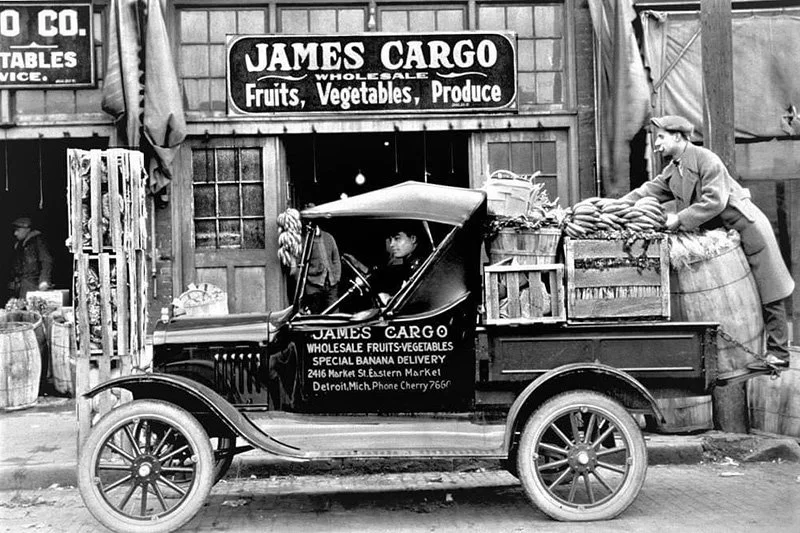
Eastern Market Delivery Truck
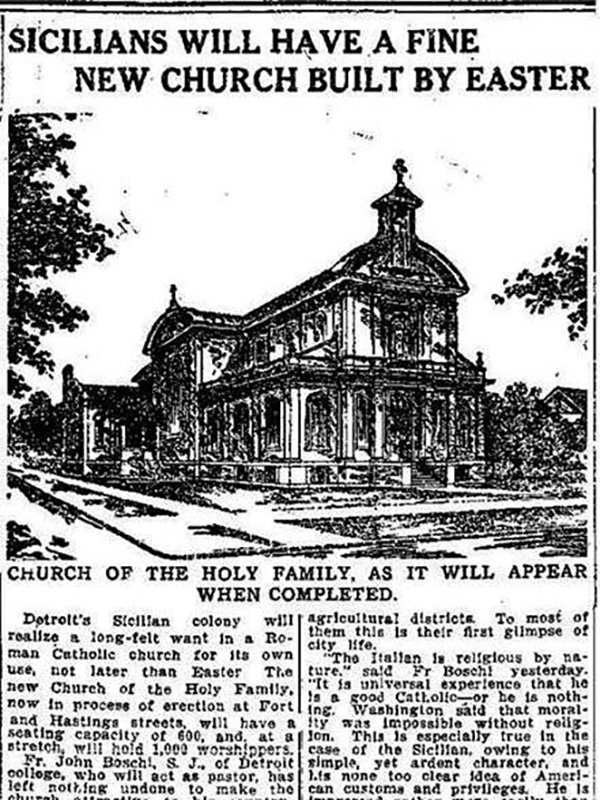
Holy Family Announcement in Detroit Free Press
Book Club Kit
How did the author blend historical facts with fiction in writing about immigration and the industrial birth of Detroit in the early twentieth century?
Did you find her portrayal of the time period authentic?
What societal consequences would Sofia have faced if her parents refused the marriage even after the abduction?
Was Sofia incapable of showing affection? Why or why not?
What drove Sofia’s dedication to the women she helped?
Why did Sofia continue her work knowing she could lose her daughter over it?
Did your opinion of Domenico change throughout the story? If so, at what point and why?
What role did Henry Ford play in Domenico’s life?
What motivated Nancy to become a women’s leader in the church? Was she sincere or an opportunist?
Are there traditional heroes and villains in this story? If so, who?
Did this book change your perspective on any historical events or figures? Did it make you want to learn more about them?
What legal and social challenges did the characters face then that our society still grapples with?